Section 01The cellars that kept the music alive
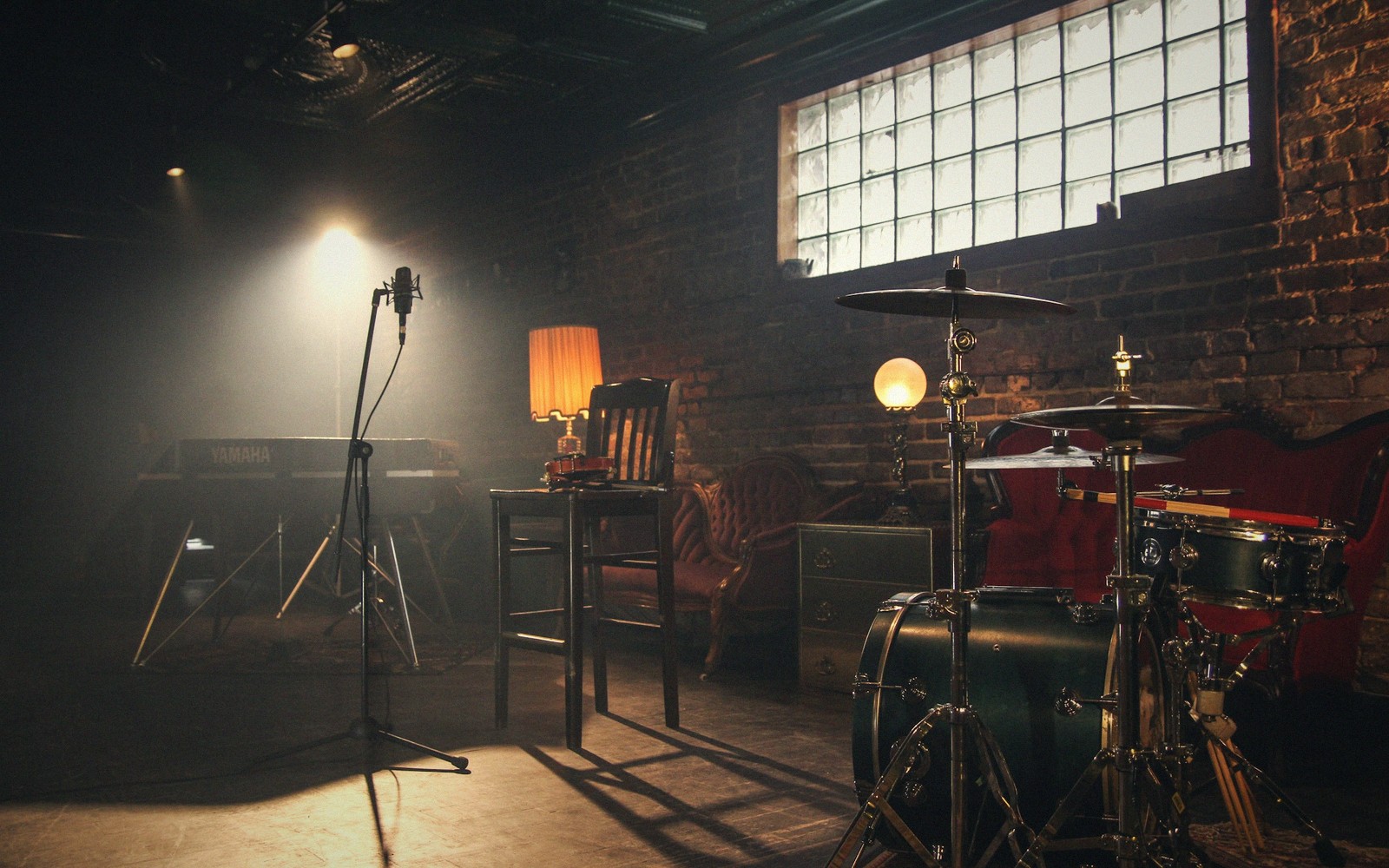
Paris after midnight has always had two faces: the brightly lit boulevard, and everything that happens below it. When the grand café era wound down — when the last arguments faded from the terraces of La Coupole and Le Dôme and the poets caught the last Métro — the music did not go with them. It went underground, literally, into the limestone cellars that run beneath Saint-Germain-des-Prés and the Latin Quarter like a second city, low-ceilinged and warm and built, it turns out, to exactly the right dimensions for a piano trio.
The Left Bank's relationship with jazz is not merely historical atmosphere. It is structural. The postwar generation that crowded into the caves of Saint-Germain — drawn by American musicians who found Paris more hospitable than home — created a culture of listening that still shapes how the city hears music. You don't come to these rooms to have jazz as background. You come to sit close, order something, and pay attention.
Section 02What the rooms are, and where to find them
The geography of Left Bank jazz follows a rough triangle. Its northern point is Saint-Germain-des-Prés; its southern anchor is Montparnasse and the streets behind the boulevard; to the east lies the Latin Quarter, whose narrow streets conceal more listening rooms per square kilometre than almost anywhere in the city. The clubs themselves vary enormously — from storied cellars with international bookings to neighbourhood joints where the house trio plays every Thursday regardless of who turns up.
The Saint-Germain cellars are the ones with the longest mythology. The street-level cafés of the Place Saint-Germain-des-Prés gave way, from the late 1940s onward, to basement clubs where bebop and hard bop found their Parisian address. The lineage runs deep: this is where American expatriates and French musicians first negotiated a shared language, where the intellectual crowd — Sartre and Simone de Beauvoir among them — came not merely to philosophise but to listen. Several of the surviving rooms date from this era or have occupied the same vaults continuously since the postwar decade. The stone itself remembers.
What the serious listener should know: the better-regarded rooms in this triangle programme consistently across the week, not just at weekends. A Tuesday can be as good as a Saturday, sometimes better — the crowd is smaller, the musicians are looser, and the music tends to run long. Arrive close to the advertised start time. In a sixty-seat cellar, the difference between a good seat and a pillar is twenty minutes.
The Montparnasse side of the triangle is quieter, more local in feel. The boulevard itself — with its brasserie terraces and the great tower overhead — is not jazz territory after dark, but duck a few streets south toward the Cimetière du Montparnasse or west toward the Carrefour Vavin and you find a different register: smaller bars with regular live nights, venues that don't always appear in the listings but reward a walk. This is where the quarter's night-owl character shows itself most honestly — no tourist circuit, no velvet rope, just a room and a band and whoever chose to be there.
The geography of Left Bank jazz follows a rough triangle.
| A listening club | A jazz bar | |
|---|---|---|
| Setting | A cellar, low-ceilinged and warm. | A street-level bar with a stage. |
| Programme | Serious musicians; a cover or a minimum. | Live nights added to a room that is first a bar. |
| Best for | A full set played with intention. | Music with your third glass. |
| The room | You came for the music. | You are free to talk. |
Section 03How to navigate the scene
Left Bank jazz is not a single scene so much as a constellation of micro-cultures, and navigating it takes a little local knowledge. A few principles help.
Follow the format. The rooms divide, roughly, into listening clubs and jazz bars. A listening club — characteristically a cellar, characteristically with a cover charge or a minimum — books serious musicians and expects an audience that came for the music. A jazz bar programmes live nights but operates primarily as a bar, with the music as a generous addition. Both are worthwhile; they are different experiences. If you want to hear a working quartet play a full set with intention, the listening club is your room. If you want music with your third glass and the freedom to talk, the bar is perfectly adequate and will serve you well.
Read the programme, not just the headline. Paris is one of the few cities where a genuinely global roster of jazz musicians passes through regularly — American, Brazilian, West African, European — and the Left Bank rooms are part of that circuit. A venue's weekly programme, posted outside or on a chalkboard inside, will tell you more than any listing website: who plays which night, whether it's a residency or a one-off, whether the night runs late. The rooms that run late — past one in the morning on a good night — are generally the ones worth the journey.
Dress for the cellar. This sounds trivial but it isn't. The stone cellars of Saint-Germain run cool in autumn and genuinely cold in winter; they run warm and airless in July and August. A layer you can remove matters. More practically, the best rooms fill early on Friday and Saturday; arrive without a reservation on a weekend and you may find yourself listening from the stairs, which is romantic once and uncomfortable thereafter.
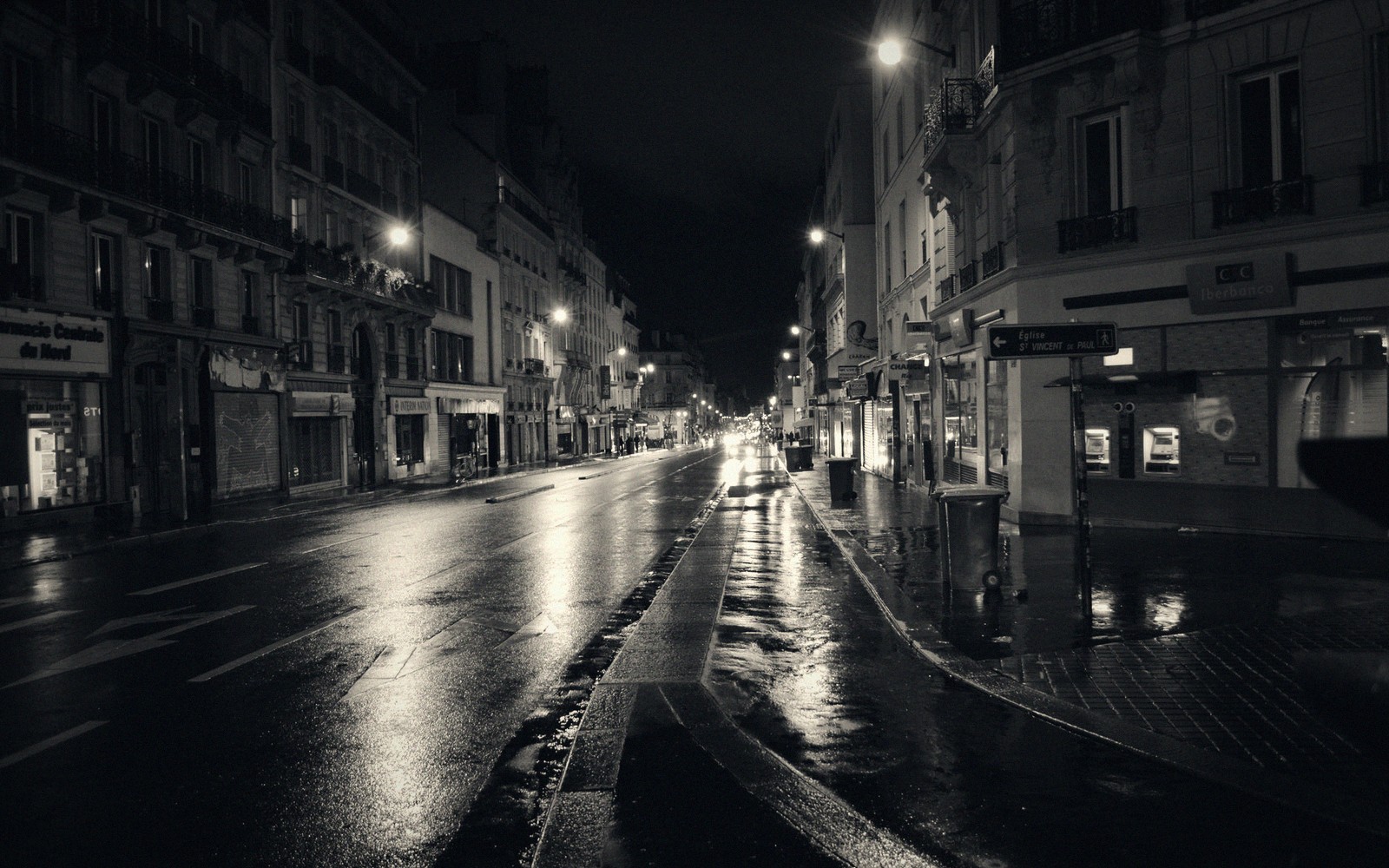
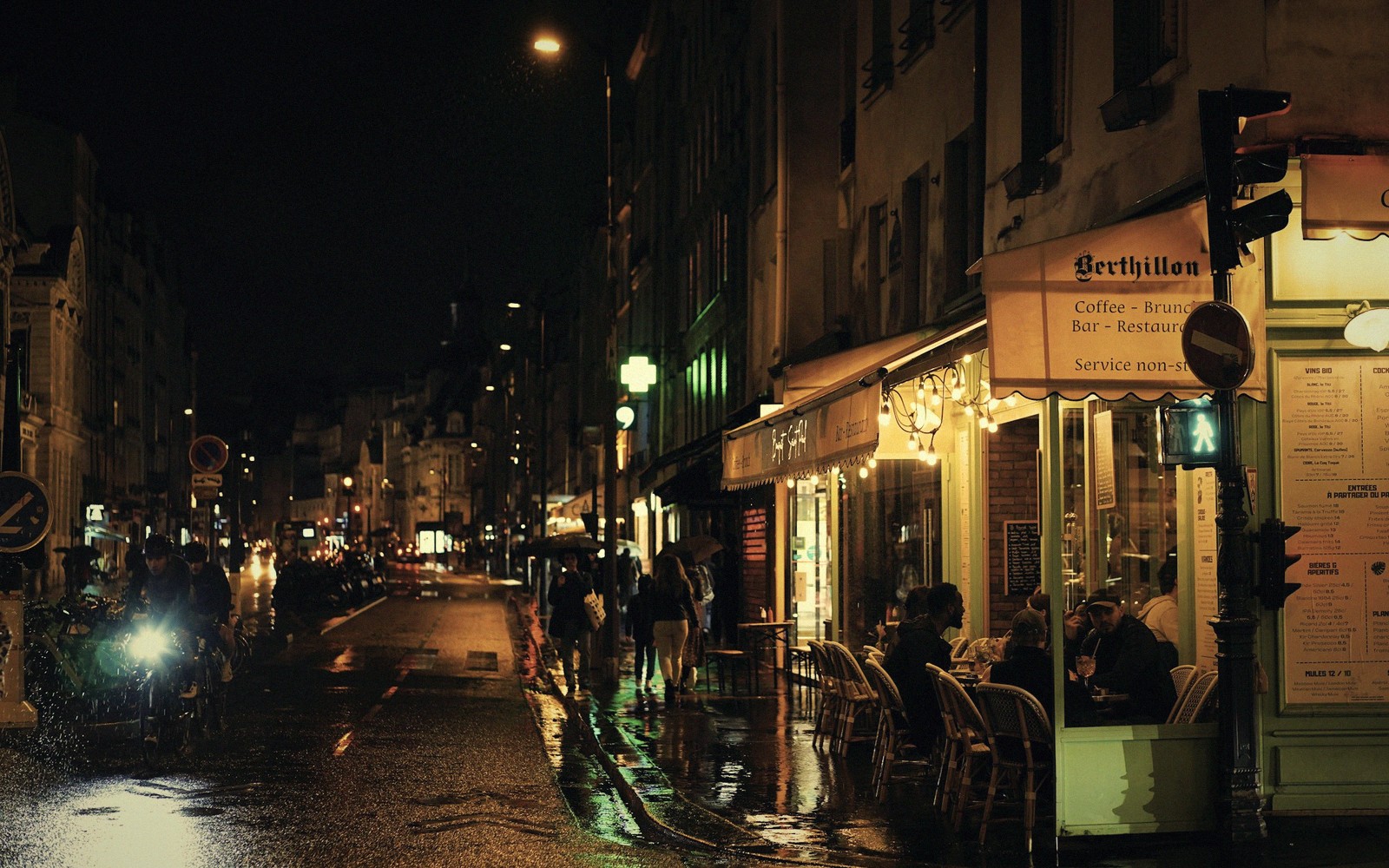
The Latin Quarter's rooms, tucked off the rue Mouffetard or along the side streets of the fifth arrondissement, often operate on a more informal model — a loosely advertised jam session, a house pianist who holds the room, a late start. This is the side of the scene that rewards wandering. A walk from the boulevard du Montparnasse eastward through the sleeping Latin Quarter after midnight is not merely scenic; it is a genuine way to find music that no listing has yet indexed.
- Late 1940sSaint-Germain-des-Prés cellars become the centre of Parisian jazz
- Postwar decadeAmerican expatriate musicians establish Left Bank jazz circuit
- OngoingLeft Bank rooms continue as active part of international jazz touring circuit
Section 04The rhythm of a jazz night
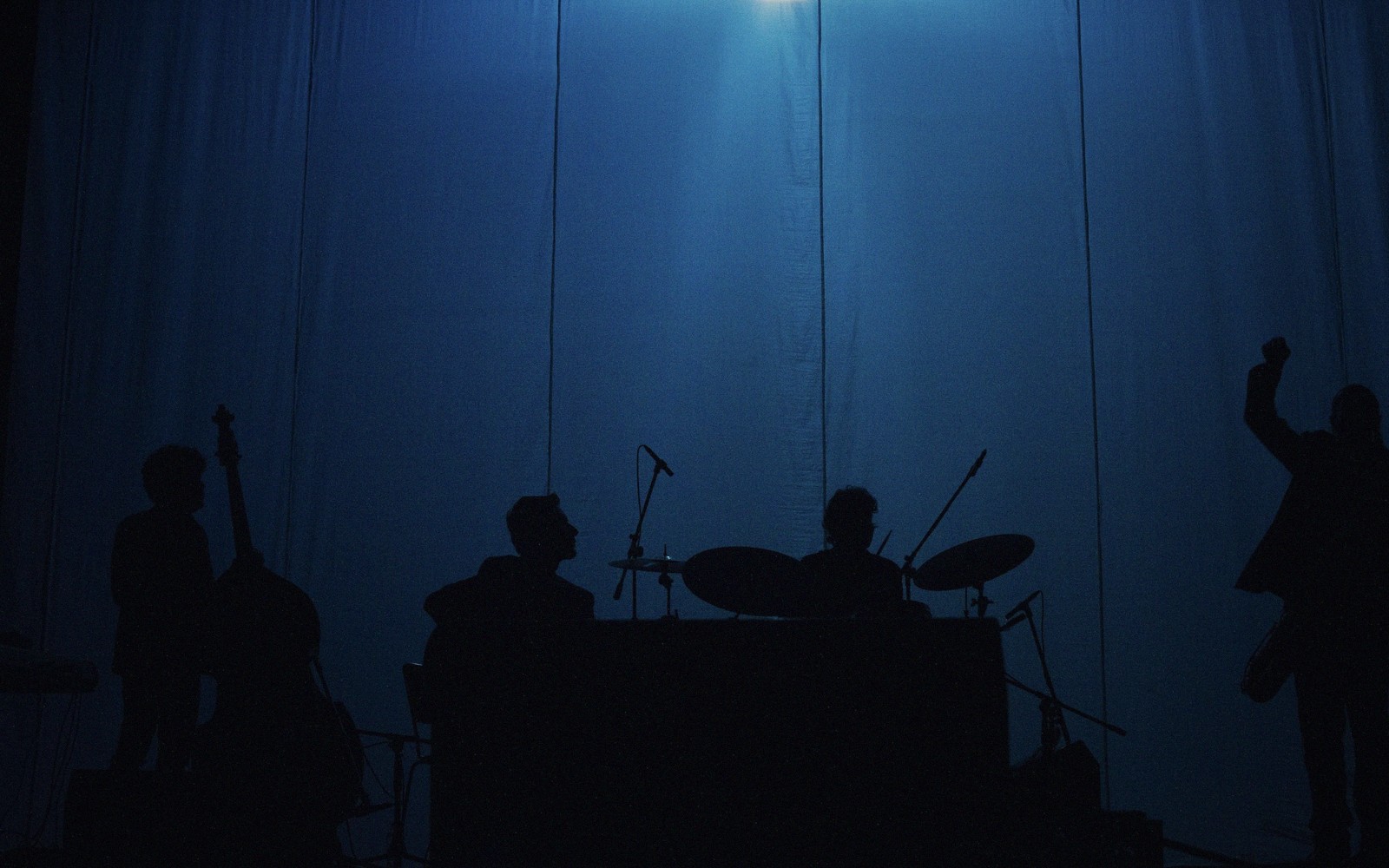
A Left Bank jazz evening has its own tempo, and it is not hurried. The first set typically begins later than advertised; the room fills slowly, then completely; the music starts and the conversation drops. Between sets, the room exhales — drinks are refilled, the musicians take something at the bar, someone talks to the drummer. The second set runs longer than the first. By the time the last notes land, the Métro may already have closed, which is why the neighbourhood developed its late bars, its all-night cafés, its tradition of walking home through streets that are never entirely quiet.
Jazz on the Left Bank is not a heritage attraction, even when the room is sixty years old and the stone ceiling has heard a thousand sessions. It is a living circuit, served by musicians who work it seriously and audiences who come to listen. The vaults keep the sound close, the century gives it weight, and the city — reliably — stays up late enough to hear it through.
Who & wherePeople & Places
Jean-Paul Sartre
existentialist philosopher, habitué of Saint-Germain cafés and clubs
Simone de Beauvoir
philosopher and writer, closely associated with Saint-Germain-des-Prés
Saint-Germain-des-Prés
Left Bank neighbourhood; historic heart of Parisian jazz underground
Carrefour Vavin
Montparnasse crossroads at the junction of boulevard du Montparnasse and boulevard Raspail
Cimetière du Montparnasse
historic cemetery south of the boulevard, near the quieter jazz bar zone
Latin Quarter
fifth and sixth arrondissement area east of Montparnasse; informal live music streets